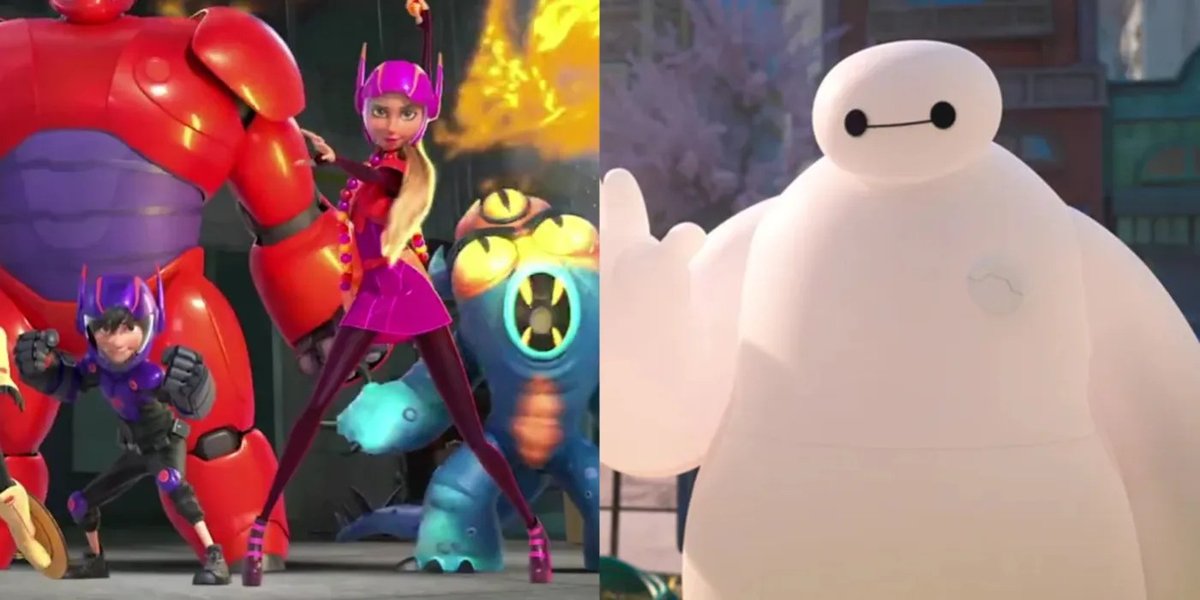
The question of a direct theatrical sequel to Disney's beloved Big Hero 6 has lingered for years, a persistent echo among fans who fell in love with Hiro, Baymax, and the vibrant world of San Fransokyo. Many wonder about the Big Hero 6 Franchise Future Beyond a Second Movie, especially as the film approaches its 10-year anniversary in 2024. While the big screen may not have seen a Big Hero 6 2, the story of these unlikely heroes is far from over.
At a Glance: The Future of Big Hero 6
- No Theatrical Sequel (Yet): The primary reason a Big Hero 6 theatrical sequel hasn't happened rests with co-director Don Hall, who prefers to develop new original properties.
- Creative Vision Reigns: Disney respects the creator's vision, making a direct movie sequel unlikely without Hall's lead.
- Thriving on the Small Screen: The franchise has continued successfully with two distinct television series: Big Hero 6: The Series and Baymax!.
- Extended Storylines: Both series expand the characters and world, offering new adventures and deeper dives into the lives of the San Fransokyo heroes.
- Streaming Home: All Big Hero 6 content, including the original movie and both spin-off series, is available on Disney+.
- A Decade On: Producer Roy Conli admits to subtly encouraging Hall, hinting that the 10-year anniversary might spark new thoughts, but nothing is confirmed.
Why Big Hero 6 2 Hasn't Hit Theaters: The Creator's Vision
It's a common lament: "Where's Big Hero 6 2?" Given the original film's immense success, a follow-up seemed like a no-brainer to many. Yet, nearly a decade later, fans are still waiting for news of a theatrical sequel. The definitive answer, as clarified by producer Roy Conli, points directly to the creative helm: co-director Don Hall.
Hall, who was instrumental in conceptualizing Big Hero 6, possesses a strong preference for working on new, original properties. For a creator, the drive to explore fresh ideas and build entirely new worlds can often outweigh the appeal of revisiting past successes. Disney, particularly Walt Disney Animation Studios (WDAS), generally upholds the creative vision of its directors, allowing them the autonomy to pursue projects they are passionate about. This dedication to original storytelling, while sometimes frustrating for fans eager for sequels, is often what leads to groundbreaking new animated films.
Conli himself, recognizing the widespread fan desire and the film's upcoming 10-year milestone, admitted to "secretly urging" Hall about a sequel. This playful revelation highlights the internal discussions and the respect for Hall's creative freedom. Without his direct involvement and enthusiasm, a theatrical Big Hero 6 2 is unlikely to move forward within the WDAS pipeline. It's a testament to the idea that some stories, even beloved ones, are best left to their creators' discretion rather than being forced by commercial demand.
Revisiting a Triumph: The Enduring Appeal of Big Hero 6
Released on November 7, 2014, Big Hero 6 captivated audiences worldwide with its unique blend of heartwarming storytelling, thrilling action, and technological innovation. Loosely based on a Marvel Comics superhero team, the film masterfully fused Eastern and Western influences to create the stunning, futuristic metropolis of San Fransokyo.
The movie follows the journey of robotics prodigy Hiro Hamada, who, after a devastating loss, finds solace and purpose in forming a superhero team with his inflatable healthcare companion, Baymax, and his group of eccentric friends. Together, they confront a masked villain responsible for a tragedy that changed Hiro's life forever. The film wasn't just a critical darling; it was a commercial powerhouse, grossing over $650 million worldwide. Its artistic merit was further recognized when it won Best Animated Feature at the 87th Academy Awards.
The original voice cast, including Ryan Potter as Hiro, Scott Adsit as Baymax, and Daniel Henney as Tadashi, along with stars like Jamie Chung, T.J. Miller, and Maya Rudolph, brought an incredible depth and humor to the characters. This combination of a compelling narrative, memorable characters, and groundbreaking animation solidified Big Hero 6 as a modern Disney classic, leaving audiences hungry for more adventures with their favorite tech-savvy heroes. For those seeking comprehensive details about a potential follow-up, you might want to check out The Big Hero 6 2 Hub.
Beyond the Big Screen: How Big Hero 6 Flourished on Television
While the theatrical sequel has remained elusive, the Big Hero 6 universe is far from dormant. The franchise has found new life and expanded its narrative through two distinct and successful television spin-offs, proving that a story doesn't need the cinema to continue thriving.
Big Hero 6: The Series — Picking Up Right Where the Movie Left Off
Just three years after the film's release, the world of San Fransokyo returned to screens with Big Hero 6: The Series. Launching in 2017 on Disney XD and later Disney Channel, the show seamlessly continued the story immediately after the events of the movie.
The series reunited viewers with Hiro, Baymax, Go Go, Wasabi, Honey Lemon, and Fred as they balanced their academic lives at the San Fransokyo Institute of Technology with their secret identities as crime-fighting superheroes. The show embraced a 2D digital animation style, offering a fresh visual take while maintaining the core aesthetic and character designs that fans loved. Over three seasons and 56 episodes, which ran until 2021, the series delved deeper into the characters' personal lives, introduced new villains and allies, and further explored the technological marvels and everyday challenges of San Fransokyo. It provided the continuation many fans craved, keeping the spirit of the original film alive and well.
Baymax! — A Heartfelt Return from Walt Disney Animation Studios
Perhaps the most significant development for the franchise came with Baymax!, a limited series that premiered all six episodes on Disney+ on June 22, 2022. This series holds a special distinction: it was the first television series produced by Walt Disney Animation Studios itself. This fact alone signals a high level of creative investment and quality, differentiating it from many other animated spin-offs handled by external TV animation divisions.
Baymax! shifts its focus to everyone's favorite compassionate healthcare companion. Each episode follows Baymax as he endeavors to help different residents of San Fransokyo with their various ailments, both physical and emotional. The series is a charming return to the character's core programming: to heal and to care. It's episodic and self-contained, emphasizing the quiet, everyday heroism of Baymax's mission. The animation quality is noticeably closer to the feature film's standard, a direct benefit of WDAS's involvement, making it a visually stunning and emotionally resonant addition to the franchise.
These two series demonstrate a successful strategy for expanding beloved film properties without necessarily creating a direct movie sequel. They allow for different narrative structures, character explorations, and artistic styles, catering to a broader audience while keeping the core elements of the Big Hero 6 universe intact.
The Unspoken Challenge: Why Disney Animation Prioritizes Originals
It's worth briefly touching on why Walt Disney Animation Studios often treads carefully with theatrical sequels, especially compared to its sister studio, Pixar. Historically, WDAS has focused on creating original, standalone animated classics. While some beloved films like Frozen have received direct sequels, it's not the default path for every successful property.
This preference for original content stems from a creative philosophy that values innovation and the development of fresh narratives and characters. For a studio like WDAS, each new project is an opportunity to push the boundaries of animation and storytelling, rather than continually revisiting existing worlds. While commercial viability is always a factor, the creative mandate often leans towards expanding the studio's portfolio with new intellectual properties.
This approach means that even highly successful films like Big Hero 6 don't automatically guarantee a theatrical sequel, especially if the original creative team is eager to move on to new endeavors. The decision to greenlight a sequel is a complex one, balancing fan demand, creative passion, and strategic business goals.
Whispers and Hopes: What Does the Future Truly Hold for San Fransokyo?
Even without a confirmed Big Hero 6 2 on the big screen, the future of the franchise remains a topic of avid discussion among fans and industry insiders. Producer Roy Conli's admission of "secretly urging" Don Hall about a sequel, particularly with the original film's 10-year anniversary in 2024, injects a sliver of hope into the conversation. Anniversaries often serve as catalysts for re-evaluating properties, sparking renewed interest or even development discussions.
However, "never say never" is the industry's mantra for a reason. While Hall's preference for new properties is a strong barrier, creative minds can sometimes be swayed by a compelling new idea or a shift in personal passion. Could a new story concept, perhaps one that truly excites Hall, change the trajectory? It's not impossible.
Moreover, the success of streaming platforms like Disney+ has opened new avenues for high-quality content. The Baymax! series, being produced by Walt Disney Animation Studios itself, showcases the potential for movie-level storytelling and animation to exist outside of a traditional theatrical release. This raises the question: if not a theatrical Big Hero 6 2, could a feature-length Big Hero 6 movie exclusive to Disney+ ever be on the table? This model could offer a compromise, allowing the story to continue with cinematic scope without the pressures and expectations of a global theatrical release.
Ultimately, the future is uncertain, but the vibrancy of the Big Hero 6 world, its beloved characters, and its enduring fanbase mean that the potential for new stories will always exist, whether on the big screen, the small screen, or an entirely new medium.
Addressing Your Burning Questions About the Big Hero 6 Franchise
Let's clear up some common queries about the ongoing saga of Hiro, Baymax, and their team.
Is Big Hero 6 2 actually happening?
As of now, a direct theatrical sequel to Big Hero 6 has not been officially confirmed by Walt Disney Animation Studios. The decision primarily rests with co-director Don Hall, who has expressed a preference for developing new, original properties. While producer Roy Conli has hinted at secretly encouraging Hall, there are no concrete plans for a Big Hero 6 2 movie in theaters.
Where can I watch the Big Hero 6 series and movie?
All existing Big Hero 6 content is readily available on Disney+. This includes the original animated movie, Big Hero 6, and both television spin-offs: Big Hero 6: The Series (all three seasons) and Baymax! (all six episodes).
Will Baymax get another series or a second season of Baymax!?
While Baymax! was presented as a limited series with six episodes, its positive reception and the enduring popularity of the character suggest that further adventures for Baymax are certainly possible. Disney has not yet announced a second season or another spin-off specifically for Baymax, but the door is likely open given the series' success and the character's appeal.
Is Big Hero 6 part of the Marvel Cinematic Universe (MCU)?
No, Big Hero 6 is not part of the Marvel Cinematic Universe. While the film is loosely based on a Marvel Comics superhero team, Disney's animated feature exists in its own distinct universe, San Fransokyo. It does not share continuity with the live-action MCU films or other Marvel animated properties.
What's the difference between Big Hero 6: The Series and Baymax!?
Big Hero 6: The Series is a traditional serialized television show that directly continues the story of Hiro and the team after the movie, focusing on their superhero exploits and personal lives. It uses 2D digital animation and was produced for Disney XD/Channel. Baymax!, on the other hand, is a limited series produced by Walt Disney Animation Studios (closer to the movie's production house) with a higher animation budget. It focuses specifically on Baymax's role as a healthcare companion in standalone, episodic stories, offering a more intimate look at his interactions with the citizens of San Fransokyo.
Keeping the San Fransokyo Dream Alive: How You Can Support the Franchise
Even without a theatrical sequel, the Big Hero 6 franchise continues to be a vibrant part of Disney's legacy. If you're a fan eagerly hoping for more adventures from San Fransokyo, here's how you can actively support the series and signal your interest:
- Stream the Existing Content: The most direct way to show your support is by watching the movie, Big Hero 6: The Series, and Baymax! repeatedly on Disney+. High viewership numbers are a strong indicator to studios that a property is still in demand.
- Engage on Social Media: Talk about Big Hero 6 online! Share your favorite moments, characters, or theories using relevant hashtags. Studios pay attention to fan discussions and trending topics.
- Explore Merchandise: If merchandise is available, purchasing it can also signal commercial viability and fan enthusiasm. Toys, apparel, and collectibles help keep the franchise visible and profitable.
- Spread the Word: Introduce new viewers to the world of Big Hero 6. The more people who discover and love the franchise, the stronger its potential for future development becomes.
The future of the Big Hero 6 franchise may not include a direct theatrical sequel, but its journey beyond the first movie has been rich and rewarding thanks to its successful television spin-offs. Whether we see more of Baymax's helpful escapades or new adventures for the entire team, the spirit of innovation, friendship, and heroism that defines Big Hero 6 remains strong, waiting for its next chapter to unfold.