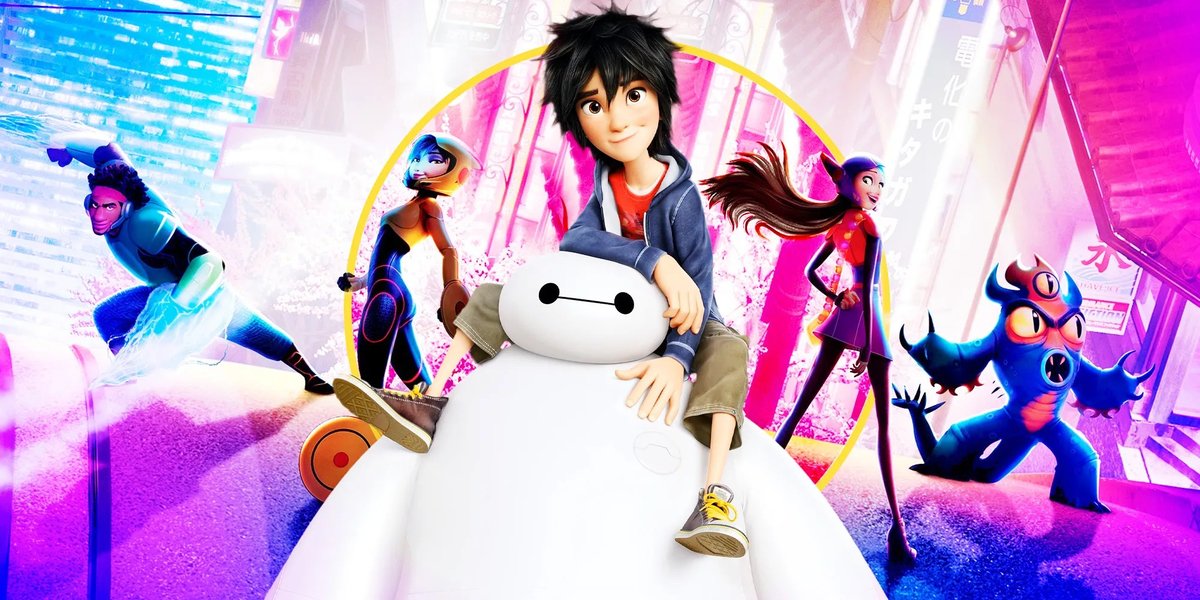
It’s a tale as old as Hollywood: a beloved, critically acclaimed, and wildly successful film captures the hearts of millions, establishes a vibrant new world, and then… inexplicably, a theatrical sequel never materializes. Such is the enduring enigma surrounding Big Hero 6, a film whose original legacy continues to fuel fervent sequel demand, even as its original director expresses a clear reluctance to revisit San Fransokyo. Ten years on, fans still ask: why no Big Hero 6 2?
You're about to explore the fascinating paradox of a Disney phenomenon that captivated audiences, garnered an Oscar, and built a loyal following, only to see its big-screen future remain in limbo. We'll delve into the creative decisions, the studio dynamics, and the powerful legacy that keeps the desire for a sequel burning brightly.
At a Glance: The San Fransokyo Sequel Conundrum
- A Decade of Delight: Big Hero 6 celebrates its 10th anniversary in 2024, marking a decade since its release.
- Unquestionable Success: The film grossed over $650 million worldwide and won an Academy Award for Best Animated Feature, cementing its status as a critical and commercial darling.
- Beloved Characters, Rich World: From the huggable Baymax to the innovative city of San Fransokyo, the film's universe resonated deeply with audiences.
- Spin-offs, Not Sequels: While two television series, Big Hero 6: The Series and Baymax!, continued the story on the small screen, a direct theatrical sequel has remained elusive.
- Director's Stance is Key: The primary reason for the absence of a Big Hero 6 2 lies with co-director Don Hall, who conceptualized the original story and prefers to work on new intellectual properties.
- Studio's Dilemma: Despite Disney generally being "sequel-happy" and producer Roy Conli openly "secretly urg[ing]" Hall, the decision rests with the original creative force.
- Fan Demand Endures: The film's enduring popularity ensures that the call for a cinematic return for Hiro and Baymax remains strong.
The Unforgettable Spark: Why Big Hero 6 Endures a Decade Later
When Big Hero 6 premiered on November 7, 2014, it didn't just introduce audiences to a unique superhero team; it delivered a poignant story wrapped in stunning animation, quickly becoming a beacon of innovation and heart for Walt Disney Animation Studios. Drawing loosely from Marvel Comics' superhero team of the same name, the film plunged us into the futuristic, hybrid metropolis of San Fransokyo, a visual feast that seamlessly blended Eastern and Western aesthetics.
A Decade of Innovation and Heart
The film’s brilliance lay in its ability to marry thrilling superhero action with profound emotional depth. We witnessed the journey of robotics prodigy Hiro Hamada, a young genius grappling with the tragic loss of his brother, Tadashi. It was Tadashi's creation, the inflatable healthcare companion Baymax, who became the unexpected catalyst for Hiro's healing and the formation of their unlikely superhero team. This core narrative, centered on grief, empathy, and the power of chosen family, struck a chord that continues to resonate today. The careful balance between genuine emotion and exhilarating adventure cemented its place in the pantheon of animated greats.
Critical Acclaim and Box Office Triumph
Big Hero 6 wasn't merely a fan favorite; it was a bona fide critical and commercial juggernaut. It roared to a global box office total exceeding $650 million, a testament to its broad appeal. More impressively, it earned the coveted Academy Award for Best Animated Feature at the 87th Academy Awards, beating out strong contenders. This dual success—financial and critical—typically paves a clear path for a sequel in Hollywood, especially for a studio like Disney, known for leveraging its successful franchises.
More Than Just a Movie: Characters, Themes, and World-Building
What truly set Big Hero 6 apart was its masterful world-building and character development. San Fransokyo itself felt like a living, breathing entity, a character in its own right, filled with intricate details and boundless potential. At its heart, however, was Baymax. More than just a robot, he became an icon of comfort, loyalty, and unconditional care. His simple, yet profound, programming to help others made him instantly lovable and deeply empathetic. Characters like the spirited Go Go Tomago, the quirky Honey Lemon, the laid-back Wasabi, and the enthusiastic Fred, each brought distinct personalities and skills to the team, making them a perfectly balanced and endearing ensemble. The film explored mature themes like loss, identity, and the moral responsibilities that come with great power, all presented in an accessible, family-friendly manner.
The enduring popularity of characters like Baymax, who transcended the film to become a significant Disney brand, further solidifies the argument for a cinematic follow-up. He's not just a character; he's a cultural touchstone, recognized and adored worldwide. The very foundation for a Big Hero 6 2 is overwhelmingly present due to this robust foundation.
Beyond the Big Screen: Expanding the Universe, Differently
Despite the overwhelming success and ripe potential, the path Big Hero 6 took after its initial theatrical run was not towards a direct cinematic sequel. Instead, Disney chose to expand the narrative universe through television spin-offs, a common strategy for popular properties, but one that raises questions about satisfying the core fan demand.
Big Hero 6: The Series: Continuing the Adventure
From 2017 to 2021, Disney XD and Disney Channel aired Big Hero 6: The Series, picking up immediately after the events of the film. The show continued the adventures of Hiro, Baymax, and their friends as they balanced their lives as normal teenagers with their duties as San Fransokyo’s resident superhero team. Produced with a 2D digital animation style, it offered a different aesthetic and narrative pace compared to the cinematic original. Running for three seasons and 56 episodes, the series provided an extended look at the team's crime-fighting efforts, character development, and further exploration of the city. While it served as a welcome return for many fans, its episodic nature and differing animation style often left some yearning for the grandeur and emotional depth a feature film could provide.
Baymax!: A Solo Spotlight
The second small-screen endeavor was Baymax!, a six-episode series released entirely on Disney+ on June 22, 2022. This series was particularly notable as the first television series produced by Walt Disney Animation Studios itself, underscoring its importance to the studio. Baymax! shifted its focus to the titular robot, following him on various missions helping the citizens of San Fransokyo. Each episode presented Baymax assisting individuals with their physical and emotional ailments, staying true to his core programming as a healthcare companion. The series was charming and heartwarming, highlighting Baymax's unwavering empathy and gentle heroism. It further cemented Baymax's status as one of Disney’s most beloved characters, showcasing his ability to carry a narrative on his own.
Do Spin-offs Satisfy the Cinema Craving?
While both television series provided valuable continuity and character exploration, they inherently operated within different creative and budgetary constraints than a feature film. The distinction between a Disney feature film and a Disney TV series, even one produced by the animation studio itself, is significant in terms of scope, animation quality, and narrative ambition. A theatrical release offers a grander canvas, higher stakes, and an experience designed for collective viewing that simply can't be replicated on a smaller screen. For many fans, the spin-offs, while enjoyable, felt like an appetizer rather than the full, cinematic meal they truly craved. This distinction underscores why The Original Big Hero 6 Legacy & Sequel Demand continues to persist despite these successful television endeavors.
The Heart of the Matter: Director Don Hall's Creative Vision
The most crucial piece of the Big Hero 6 sequel puzzle doesn't lie in box office numbers or fan petitions, but squarely with the creative vision of one individual: Don Hall. As co-director of the original film alongside Chris Williams, and notably the very conceptualizer of the film's idea, his perspective holds immense weight.
The Mastermind Behind San Fransokyo
Don Hall was instrumental in bringing Big Hero 6 to life. The film was his concept and idea, giving him a unique ownership over its creative direction and future. This kind of originating artistic input often grants a creator a significant say in how their work evolves, even within a major studio system like Disney. Producer Roy Conli, who has been openly supportive of a sequel, acknowledges this directly, stating, "It is really up to Don whether he wants to make a sequel to that." This isn't merely a polite deferral; it reflects the deep respect for a creator's artistic autonomy within Walt Disney Animation Studios, especially for a film as successful and beloved as Big Hero 6.
A Preference for New Frontiers
The core reason for the sequel's absence is straightforward, as revealed by Conli: Don Hall "loves working on new property." This isn't a dismissal of Big Hero 6 or its characters; rather, it's a reflection of an artist's intrinsic drive for novelty and fresh challenges. For someone who conceptualized and built an entire world from the ground up, the allure of crafting another entirely new narrative, with new characters and new thematic explorations, can be far more compelling than revisiting familiar territory.
This preference for "new property" is a common trait among highly creative individuals. The process of world-building, character design, and plot invention from scratch offers a different kind of creative satisfaction than iterating on an existing story, no matter how beloved. It's about pushing boundaries and exploring uncharted imaginative landscapes, rather than navigating the expectations and established lore of a sequel.
Decoding the Artist's Impulse: Why Innovate Over Revisit?
To fully understand Hall's position, consider the inherent challenges of creating a sequel to a beloved, Oscar-winning film. The pressure to live up to, or even surpass, the original is immense. A director might worry about:
- Creative Staleness: The risk of repeating themes or story beats, leading to a less inspired product.
- Expectation Management: Fans have specific hopes and ideas for a sequel, which can constrain creative freedom.
- Maintaining Quality: Ensuring that a follow-up doesn't dilute the legacy of the original.
- New Voices: Hall might feel that if Big Hero 6 were to continue, it might benefit from fresh creative perspectives, rather than his own repeated vision.
For an artist, the pursuit of new challenges and the thrill of groundbreaking storytelling can easily outweigh the comfort or commercial imperative of a proven franchise. It speaks to a deep commitment to originality and an aversion to simply cashing in on past success. Understanding this creative philosophy is key to grasping why we haven't seen a new Big Hero 6 movie in theaters.
Behind the Studio Doors: Disney's Sequel Strategy vs. Artistic Autonomy
The situation with Big Hero 6 presents an interesting case study in the dynamics between a major Hollywood studio's commercial interests and an individual artist's creative preferences. Disney, a global entertainment powerhouse, is undeniably "sequel-happy."
A "Sequel-Happy Studio": Disney's Typical Approach
Look across Disney's extensive catalog, and you'll find a clear pattern: successful films often spawn sequels, prequels, spin-offs, and live-action remakes. From Toy Story to Frozen, Wreck-It Ralph to Incredibles, the studio consistently returns to its most lucrative and popular properties. This strategy is sound from a business perspective: established intellectual property (IP) comes with a built-in audience, brand recognition, and a proven revenue stream, making sequels a safer bet than entirely new, untested concepts. A film like Big Hero 6, with its Oscar win, strong box office, and beloved characters, fits the profile of a prime candidate for a sequel in Disney's typical playbook. Its status as a Marvel Comics adaptation also opens doors to broader universe connectivity, though Disney Animation generally operates independently of the MCU.
Producer Roy Conli's Gentle Nudge: The Business vs. The Art
Given this studio context, producer Roy Conli's statement — "I always secretly urge him to do it" — takes on added significance. Conli, as a producer, clearly understands the commercial appeal and the fan demand for a Big Hero 6 sequel. His "secret" urging highlights the tension between the studio's desire to capitalize on a successful franchise and the respect given to the original creator's vision. It suggests an internal dialogue where the business case for a sequel is strong, but the artistic integrity and preference of the director are ultimately paramount. Conli’s comment also hints that the rest of the team, including other key creatives, would likely be on board if Hall were to change his mind, indicating collective enthusiasm should the opportunity arise.
The Power of the Original Creator: Why Hall's Word Holds Weight
The fact that Don Hall's decision remains the determining factor underscores a nuanced aspect of Walt Disney Animation Studios' approach to its creative talent. While Disney is a massive corporation, there appears to be a significant degree of creative autonomy granted to the directors and teams behind its tentpole animated features, especially those that achieve critical acclaim. This contrasts with other studio models where financial performance might more directly dictate sequel mandates, regardless of the original creators' desires.
This deference to Hall's creative spirit isn't just about respect; it’s also a strategic recognition that forced sequels can often fall flat, disappointing both critics and audiences. Forcing a creator to work on something they're not passionate about can lead to a soulless product, ultimately damaging the brand more than an absence of a sequel would. Therefore, Disney’s decision to respect Hall’s preference, even if it means foregoing a guaranteed hit, could be seen as an investment in creative quality and fostering an environment where original ideas can truly flourish. This careful balancing act is central to understanding the ongoing status of the potential Big Hero 6 sequel.
Addressing the Demand: Why Fans Still Clamor for Big Hero 6 2
Despite the director’s reluctance and the existence of two successful TV spin-offs, the demand for a theatrical Big Hero 6 2 remains remarkably potent. This isn’t simply nostalgia; it’s a testament to the original film’s enduring quality and the untapped potential fans perceive within its universe.
Unfinished Stories and Untapped Potential
The beauty of Big Hero 6 lies not just in the story it told, but also in the rich possibilities it presented. At the film's conclusion, Hiro and his team have found their rhythm as heroes, but their journey is far from over. Fans envision a sequel exploring:
- New Villains and Threats: San Fransokyo is a city ripe for new challenges, perhaps introducing more established Marvel characters or entirely new antagonists.
- Deeper Character Arcs: Exploring Hiro's continued growth, Baymax's evolving understanding of humanity, or the personal lives and backstories of the other team members.
- Technological Advancements: Given the film's focus on robotics and innovation, a sequel could showcase even more incredible gadgets and scientific breakthroughs.
- The Nuances of Grief and Healing: While the first film dealt with Tadashi's loss, a sequel could delve into how Hiro processes long-term grief and honors his brother's legacy, perhaps even exploring Tadashi's work in more detail.
The narrative threads left open by the original film offer a compelling blueprint for a continuation that truly builds upon its foundations, rather than merely repeating them.
The Call of the Cinematic Experience
While the television series provided enjoyable extensions of the Big Hero 6 world, they simply cannot replicate the cinematic scope, budget, and immersive experience of a feature film. Audiences yearn for:
- Stunning Animation: The meticulously crafted visuals and dynamic action sequences seen on the big screen.
- Epic Storytelling: Narratives with higher stakes, grander emotional payoffs, and feature-film pacing.
- The Theatrical Event: The shared experience of watching a highly anticipated film with a captivated audience.
A theatrical sequel would not just be more Big Hero 6; it would be Big Hero 6 on the scale and with the artistic ambition that the original film established.
The Baymax Factor: A Beloved Icon
Baymax, without a doubt, is the heart of the franchise. His pure-hearted innocence, unwavering dedication to helping others, and instantly recognizable design have made him a breakout character. He’s become a symbol of compassion and comfort, resonating far beyond the film itself. Fans desperately want to see Baymax continue his adventures on the biggest possible canvas, experiencing new scenarios where his unique blend of medical expertise and unintentional humor can shine. His popularity alone is a powerful engine driving the demand for another Big Hero 6 film.
What Keeps the Hope Alive?
Despite Don Hall's current stance, the hope for a sequel persists due to several factors:
- Disney's History: The studio has a track record of revisiting beloved IP, sometimes years or even decades later.
- The "Never Say Never" Mentality: In Hollywood, creative decisions can evolve, and circumstances can change.
- The Power of Fan Engagement: While direct fan action might not sway a director's artistic vision, consistent, respectful engagement keeps the conversation alive and reminds studios of the property's value.
The demand isn't just a fleeting wish; it's a persistent clamor rooted in genuine affection for a story and characters that have left an indelible mark.
Navigating the Future: Will We Ever See San Fransokyo Again on the Big Screen?
The question of whether Big Hero 6 2 will ever become a reality remains one of Disney Animation's most persistent mysteries. With the 10th anniversary reminding everyone of the film's impact, the situation continues to hinge on Don Hall's creative inclination.
The "It's Up to Don" Standoff
As Roy Conli candidly shared, the ball is firmly in Don Hall's court. Hall's preference for "new property" is a significant hurdle. This isn't a case of creative differences or budget issues; it's a director's deeply held desire to explore fresh narratives rather than revisit past successes, no matter how cherished. This makes the situation unique among most sequel demands, as it’s driven by an artistic choice rather than a commercial one. For now, the "No" isn't definitive, but it's a "Not yet, and probably not from me" from the original visionary.
What Might Change the Tides?
While Hall's current position seems firm, the landscape of filmmaking, and creative inspiration, can always shift. Several factors could potentially change the outlook for a Big Hero 6 sequel:
- A Compelling New Story: The most likely catalyst for Hall's return would be a truly groundbreaking idea for a sequel that excites him more than any new original concept. It would need to be a story that feels essential to tell, pushing the characters and world in fresh, unexpected directions, rather than just rehashing old ground.
- A Different Director: While Hall’s original vision is respected, Disney could, in theory, greenlight a sequel with a different creative team at the helm. However, given the success and personal connection Hall has to the material, this path is less desirable for maintaining the spirit of the original and might face resistance from fans. The fact that the Big Hero 6 team "would be on board for a sequel if Hall would agree to join" suggests a strong preference for his involvement.
- Time and Perspective: Creative burnout or a desire for new challenges might ebb and flow. Years from now, Hall's perspective might change, and the idea of revisiting San Fransokyo might hold a different appeal.
- A Specific Mandate: Though less likely for Walt Disney Animation Studios' theatrical features, a very specific story requirement from upper management could theoretically influence the decision, but typically these films maintain more creative autonomy.
For now, the situation is largely one of waiting. The raw potential for another Big Hero 6 cinematic adventure remains, but its realization is tethered to the evolving creative journey of its original architect.
The Fan's Role: Keeping the Legacy Vibrant
While fans can't directly force a sequel, their continued enthusiasm plays a vital role in keeping the Big Hero 6 legacy alive. Engaging with the existing film and series, celebrating its characters and themes, and respectfully expressing interest in future projects ensures that the property remains a visible and valued part of Disney’s catalog. This collective appreciation reinforces to the studio the immense goodwill and passion that still surrounds Hiro, Baymax, and the entire San Fransokyo gang.
Your Next Move: Engaging with the Big Hero 6 Legacy
As a film that so perfectly blended innovation, action, and deep emotional resonance, Big Hero 6 has carved out an enduring place in cinematic history. Its 10th anniversary serves as a powerful reminder of its impact and the undiminished desire for a big-screen return. While the immediate future of a theatrical sequel remains uncertain, largely due to the admirable creative drive of its originating director, the story of Hiro and Baymax continues to inspire and entertain.
For those who cherish this unique universe, your next move is simple: revisit the magic. Dive back into the original film, now streaming on Disney+, and re-experience the heartwarming journey that captivated millions. Explore Big Hero 6: The Series and Baymax! on Disney+ to see how the world expands on the small screen. Engage with the vibrant fan community online, sharing your favorite moments, theories, and hopes for the future.
The legacy of Big Hero 6 is far from over. It lives on in every rewatch, every fan discussion, and every new generation discovering the healing power of a giant, inflatable robot. And who knows? In the ever-evolving world of animation, sometimes the most cherished stories find their way back to the biggest stage, when the time—and the creative vision—is just right. Even if a theatrical sequel for Big Hero 6 seems distant now, the power of a beloved story always holds a special kind of hope.